- The Idea Farm
- Posts
- Investors Pick Their Favorite Reads
Investors Pick Their Favorite Reads
Our inaugural list of book recommendations

The Idea Farm
December 10, 2025
Peter Oppenheimer
Chief Global Equity Strategist, Goldman Sachs
A novel by Kazuo Ishiguro (interesting story about a relationship with AI!). 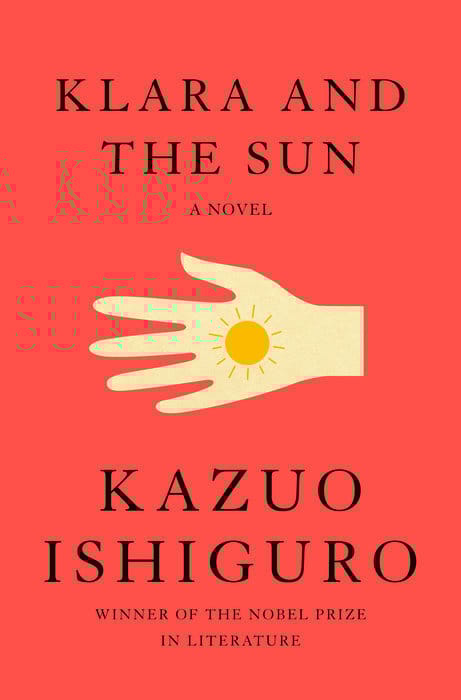 | A great history of the 20th century. 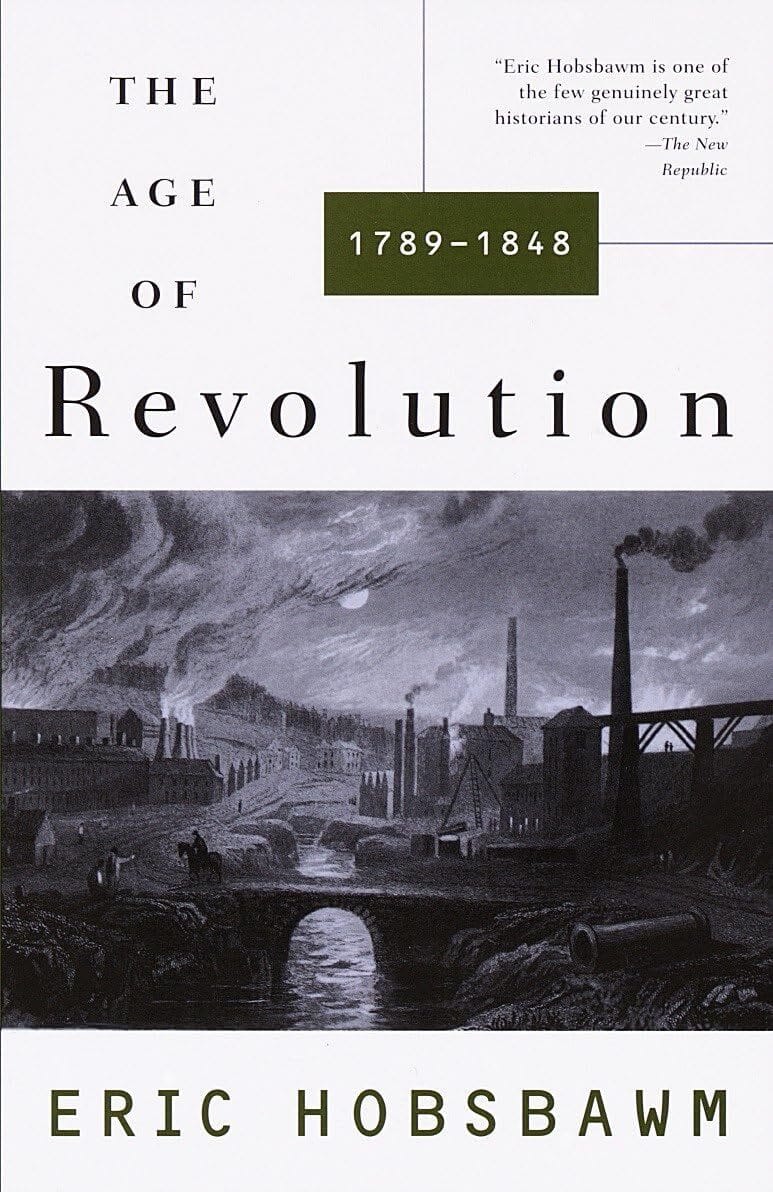 |
Barry Ritholtz
Co-founder, Chairman, and CIO, Ritholtz Wealth Management
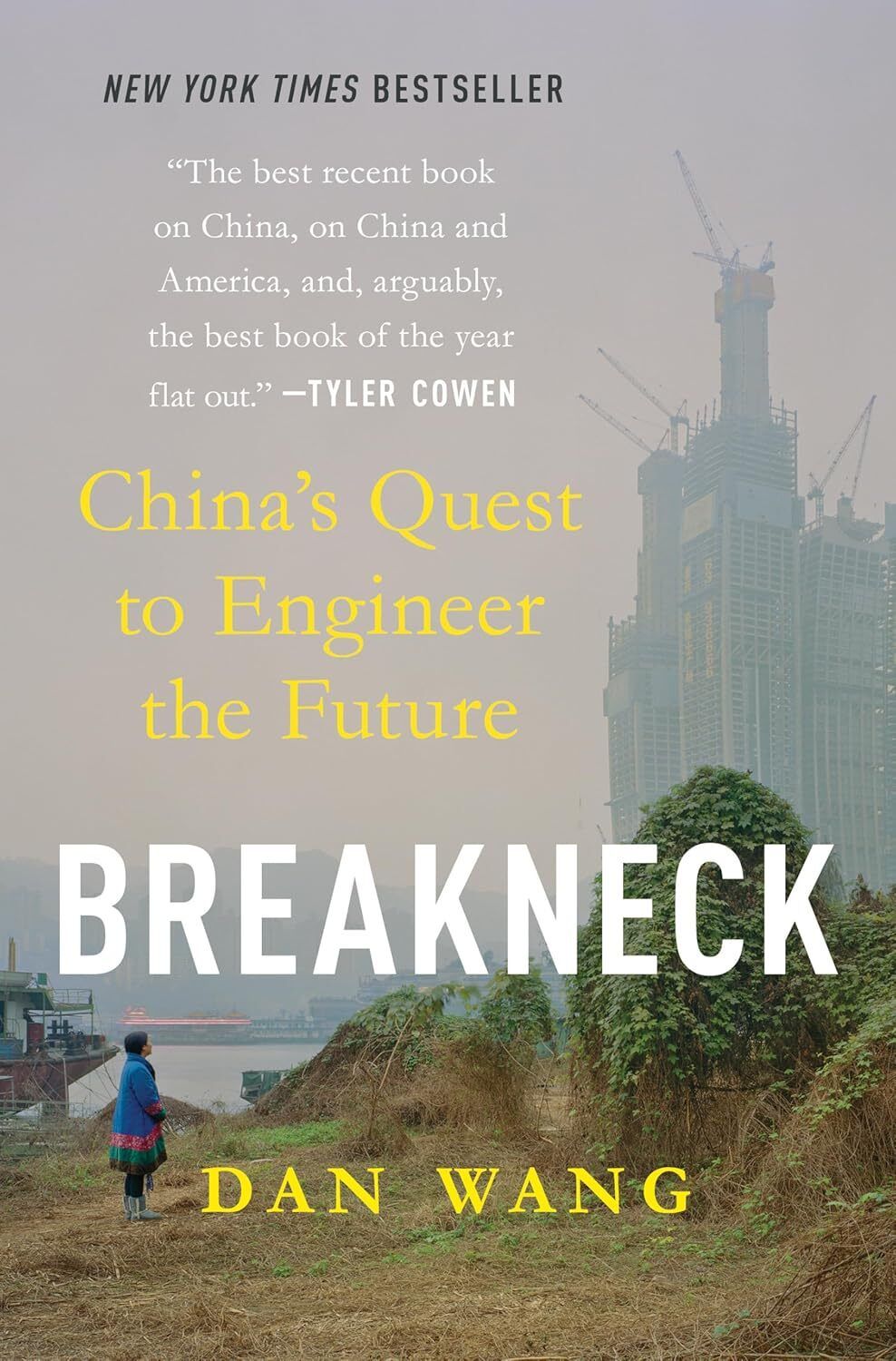 | Why doesn't America build things anymore? According to Wang, it's a fascinating discussion of "America as a country of Lawyers, while China is a country of engineers." Wang is critical of both countries' failures, discusses their strengths, and advises how and why they should be working together... |
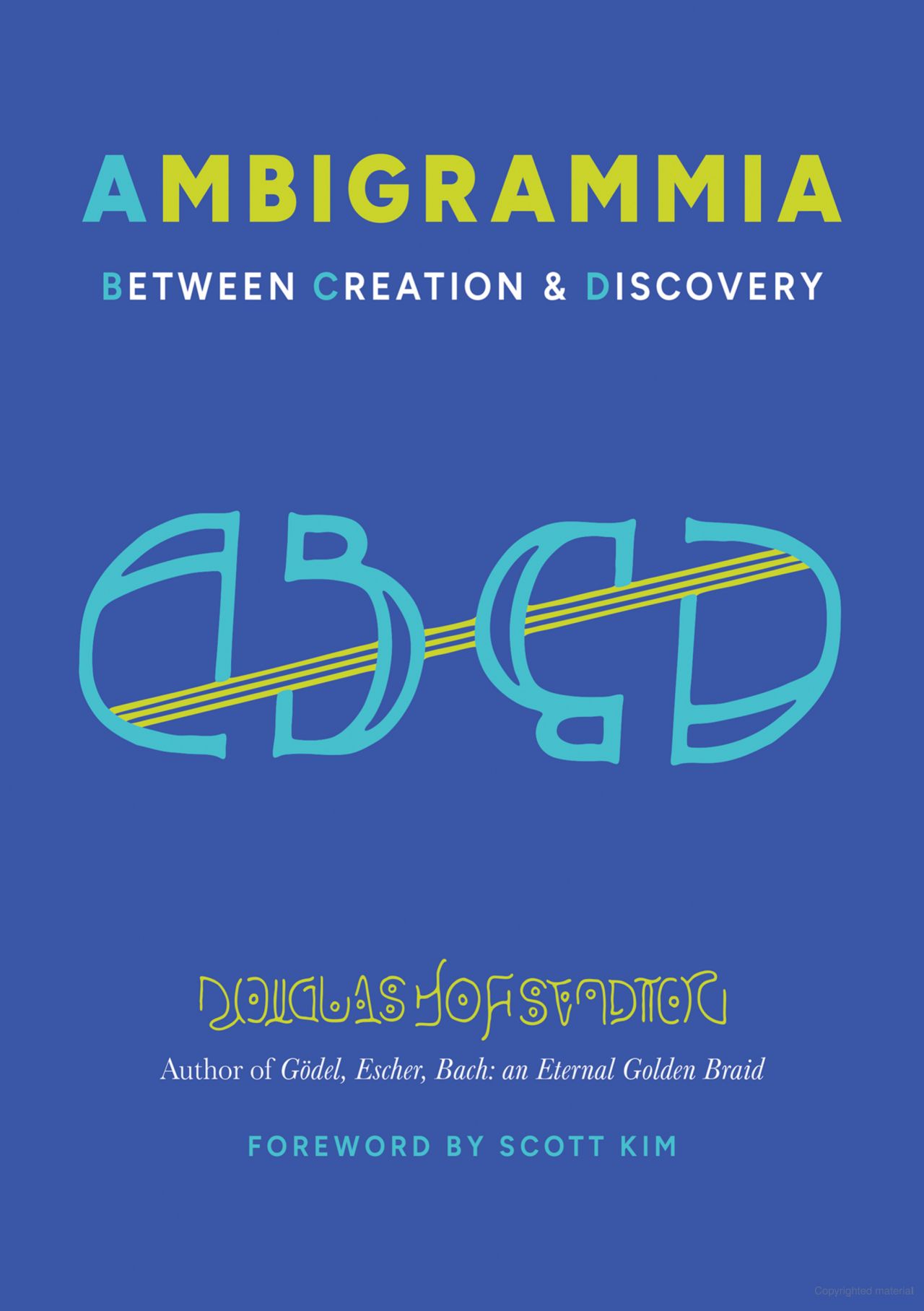 | As "Godel Escher Bach" fan, this is at the top of my reading list for 2026. |
Dan Rasmussen
Founder, Portfolio Manager, Verdad Advisers
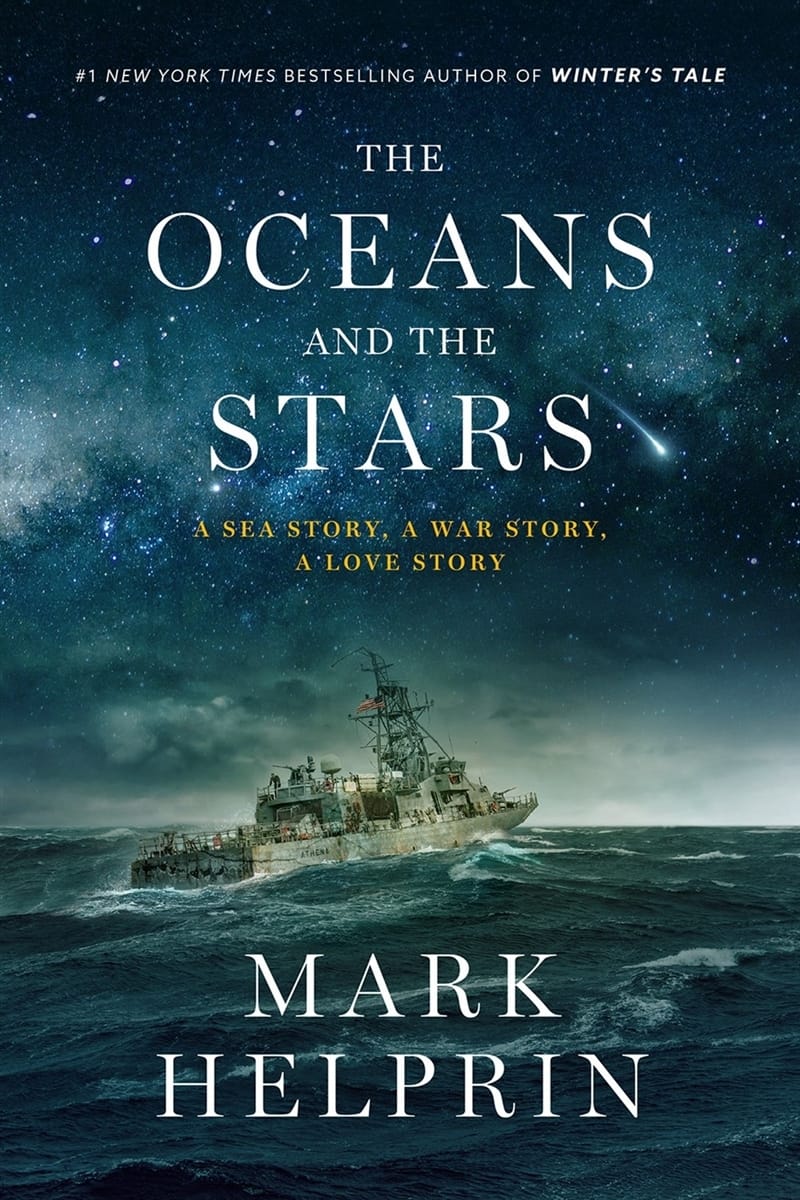 | Mark Helprin might be our generation's William Faulkner. He's a brilliant novelist. His aspirations are to the good, the true, and the beautiful. This is a love story wrapped in a war story, about a sea captain who falls in love amidst a deployment to fight in the Middle East. |
D.A. Wallach
Venture Capital Investor, Time BioVentures
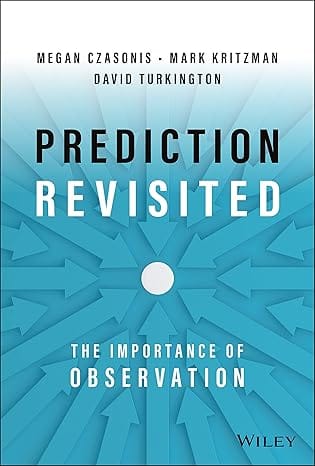 | This book proposes an approach to prediction counterposed to the complexity and opaqueness of machine learning. I am not smart enough to know whether it is a winning approach, but I learned a tremendous amount of background math and statistics from the book, regardless. |
 | Brian Eno might be the most intellectual person in pop music, and this book is a great distillation of his ideas about art. The central one is that art is play for adults. Very worthwhile reading for finance squares. |

 |  |  |
Campbell Harvey
Partner, Senior Advisor, Research Affiliates
Investment Strategy Advisor, Man Group
 | Today, China’s manufacturing output is nearly double that of the U.S. While much of the media attention is on rare earths, China produces more than 60% of the world’s strategically important aluminum while the U.S. now produces less than 1%. Phillips Payson O’Brien convincingly shows that wars are won with hardware – not ground battles. This is true for WWII and true today (Ukraine). After reading this book, you might have a different perspective on the geopolitical logic of repatriating U.S. manufacturing. |
Whitney Baker
Founder & Chief Investment Officer, Totem Macro
This combination would combine to give a great perspective on the big picture situation humanity finds itself in and the systematic problems we create for ourselves. We believe we’re approaching a major inflection point for humanity across a number of levels, and these books are all preparatory reading.
 |  |
Carl Kawaja
Portfolio Manager, Capital Group
 | An incredible journey into the culture and language of the Piraha tribe in the Amazon that features an engrossing personal story and profound insights into the role of language in culture. |
Bob Elliott
Co-Founder and CEO, Unlimited
 | As a kid in the 90s we learned plenty of Japanese history and nothing about China. Thought this book on the late Mao to early Deng period was great from a political and economic perspective. Interesting parallels with Xi today (particularly on political consolation). |
Carl Richards
Author
 | This book suggestion might be full of bad advice, but it could save your soul. Dan O'Brien's Buffalo for the Broken Heart reminds us that our most significant edge isn't math, it's our humanity. O'Brien bets everything on restoring a piece of land he loves, facing real risk over and over again. In a world full of artificial intelligence, his story shows us the return we realize when we invest in the development of deeply human wisdom. Please read it. |
Mike Maples
Co-Founding Partner, Floodgate
 | The way David thinks about advancing human knowledge through bold conjectures that offer a better explanation of reality is advancing our thoughts processes about what makes a true startup insight. |
Peter Levin
Managing Director & Co-Founder, Griffin
 | I’m a bit late getting to this one, however, I had the pleasure of hearing Sebastian speak on another subject and I was drawn to his unique style of observation and his dissection of nuanced dynamics made it simpler for one to relate to and digest the subject matter. As a personal and institutional investor as well as a former operator/founder, his insights and chosen anecdotes as it pertains to the origin story of venture capital and how the industry has progressed over the decades was delightful and frightening at the same time |
 | Had to go back to my favorite book ever written. I’m a huge James Clavell fan and like millions of others I am thoroughly enjoying the latest adaptation of his hit streaming series Shōgun on Hulu. One of 6 books in the series, Noble House takes place in Hong Kong in the early 1960’s and focuses on the highly volatile and exotic world of the trading houses. |
Chris Clark
Strategy & Finance, Electra Therapeutics
 | Annie frames the world as it should be, as an exercise in expected values. But on top of that, she provides ways to nudge people off of stubborn positions, and to optimally prioritize resources. Its applications go well beyond the expected. |
Keith McCullough
CEO, Hedgeye
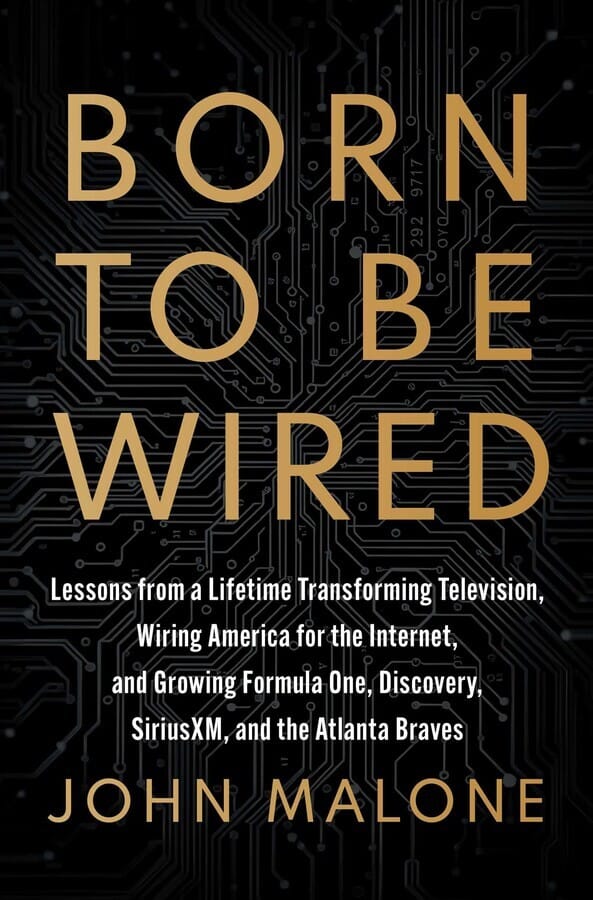 | Malone's the ultimate American Capitalist grinder who delivered across decades (1970s through today). His core philosophy: "attention to detail helped me identify opportunities early and gave me a competitive edge." That's the Hedgeye Process in one sentence. |
 | Van Gogh color wheel story—how he saw cyan (aquamarine) as red's true opposite, not green. Parallels my "see fractals, not moving monkeys" philosophy. It's okay to see things differently—that's how you get edge. Breaking consensus "rules" matters. |
Chuck Clough
Founder, Clough Capital
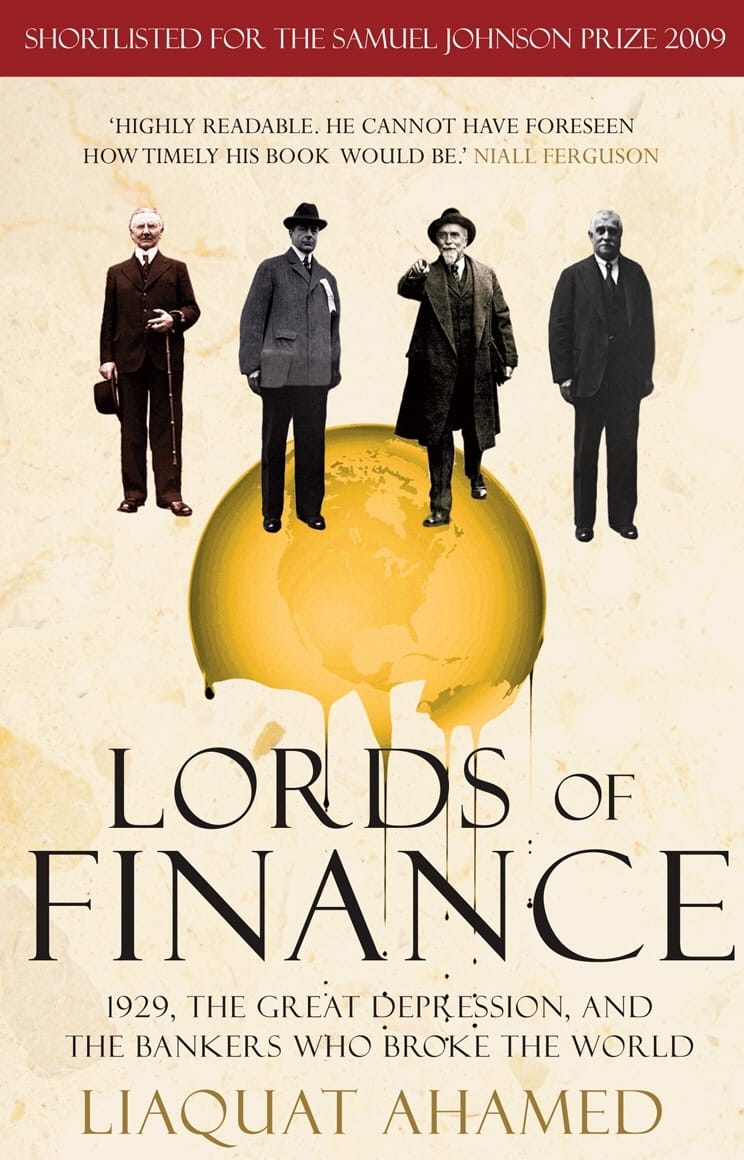 | It is a compelling read examining the period leading up to and including the Great Depression of the 1930s through the unique perspective of the heads of central banking in the US, UK, Japan and Germany. There is much to be learned about the rights and wrongs of central banking and its political overtones by examining that period and the personalities which dominated it. |
Mark Higgins
Institutional Investment Advisor, Index Fund Advisors
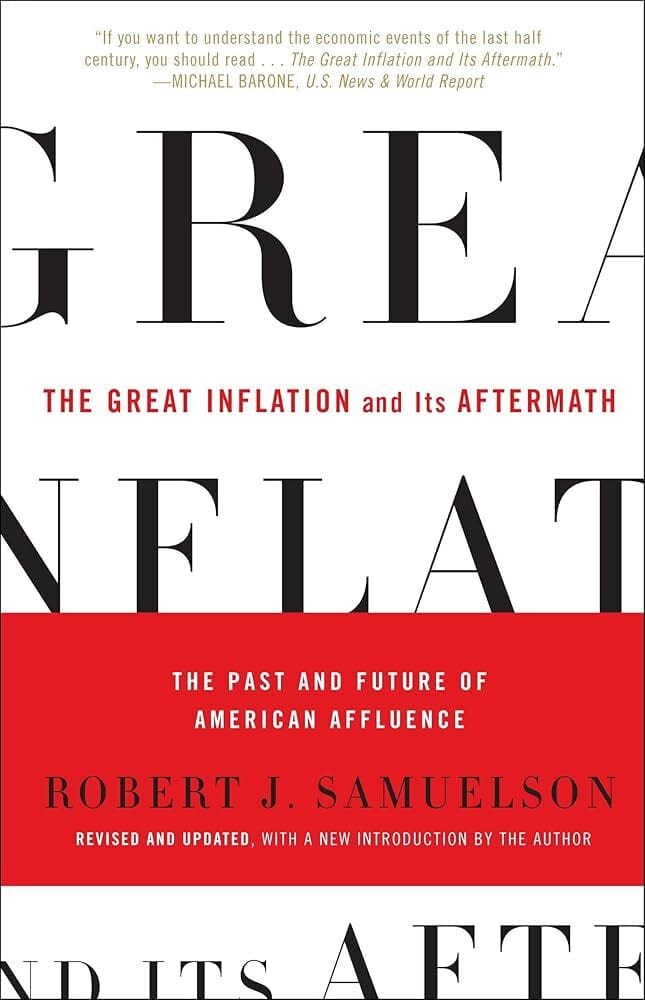 | This book explains the major policy errors that produced the Great Inflation of 1965-1982. The costliest errors included the Fed’s systematic bias toward maximum employment at the expense of price stability; the application of intense political pressure to loosen monetary policy prematurely; and massive fiscal spending on entitlement expansion. Despite the harsh consequences, the Fed leadership and politicians repeated many of these errors during and after the COVID-19 pandemic. |
 | This book is a quick read but provides invaluable insight into the flawed human instincts that have driven speculative manias and crashes in the past. Slight permutations of many beliefs that fueled bubbles, such as the Mississippi Bubble in 1720, Great Bull Market of 1929, and junk bonds in the 1980s, have reappeared in 2025. Crypto evangelists, private markets champions, and AI enthusiasts may want to temper their enthusiasm after discovering the assumptions that are fueling the rise of prices in these assets are eerily similar to those that fueled long-forgotten financial catastrophes. |
Francois Rochon
Founder, Giverny Capital
 |  |
Nick Maggiulli
Chief Operating Officer, Ritholtz Wealth Management
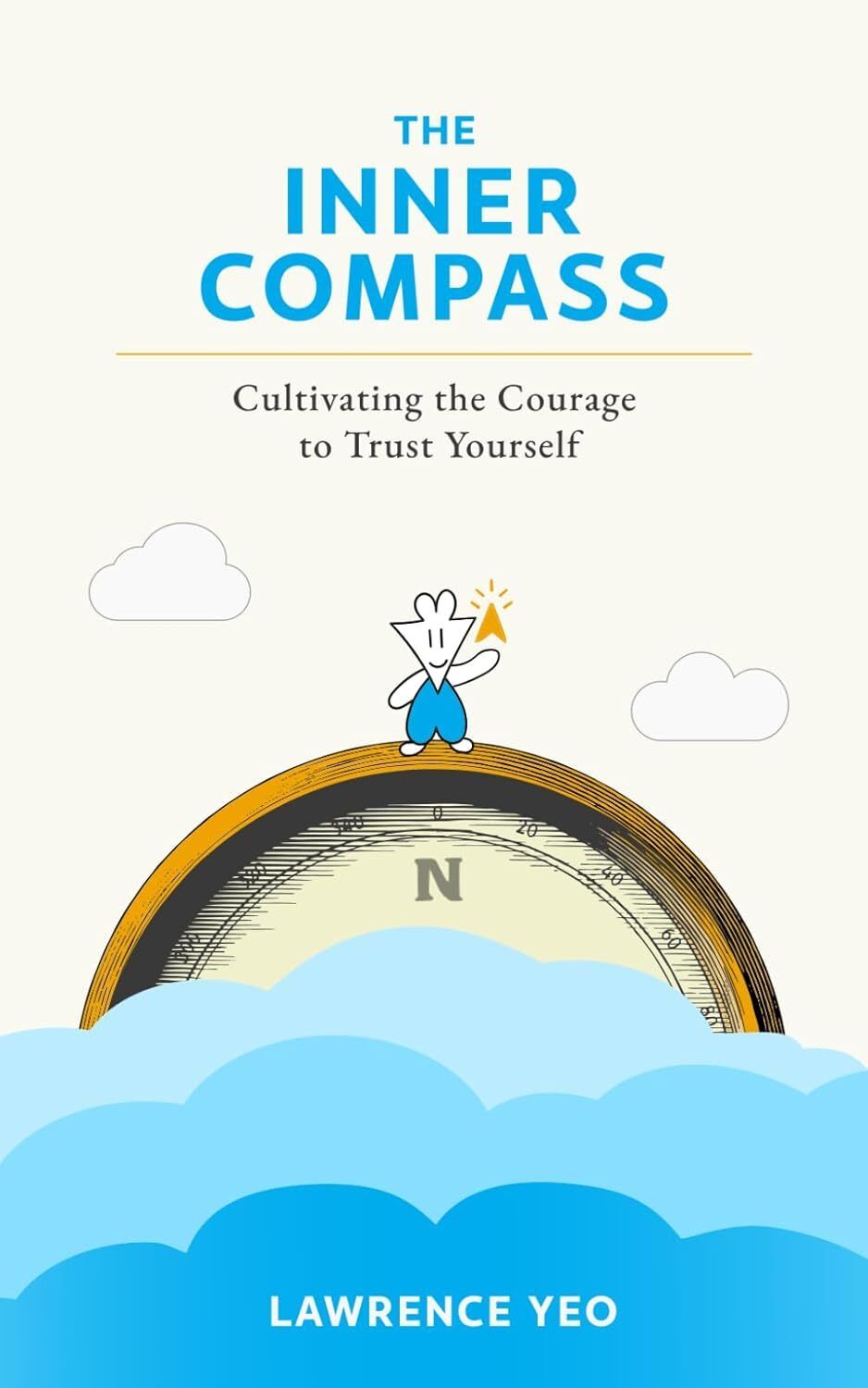 | An easy read that will actually make you re-evaluate how you think about yourself (in a good way). If you like the idea of the inner scorecard from Warren Buffett, then you’ll love The Inner Compass. |
 | Bill is probably my favorite non-fiction writer and One Summer is an incredible history of America in the 1920s. The similarities in human behavior from a century ago are remarkable. If you want to know how modern America came to be, One Summer is the perfect read. |
Brian Jacobs
Portfolio Manager, Aptus Capital Advisors
 | I recently reread this investment book with my oldest son. It’s a great foundation for new investors to own markets, keep costs low and let compounding do the heavy lifting unless you have a truly informed understanding to do something different that improves risk-adjusted returns or tax efficiency. |
 | A masterclass in incentives, rivalry and repeating human behavior. Cycles don’t change because people don’t. |
Victor Haghani
Founder, Elm Wealth
 | Always worth reading Pinker's thoughts, but his explanation of Aumann's agreement theorem stands out: rational people cannot agree to disagree. It's a guide for thinking together as truth-seekers. Nobel laureate Aumann also defined "Common Knowledge"—the book's main topic. After reading, seek out the 95-year-old professor's interviews online. Sharp as ever. |
 | Don't place a bet until you read this book. Cohen exposes the dark history of how sports gambling went from banned to ubiquitous, and why that's disastrous for Americans. The apps in your pocket aren't entertainment—they're wealth extraction machines designed by psychologists and mathematicians to separate you from your money. Cohen makes the case definitively: online sports gambling is a losing proposition. Save yourself. Read this instead. |

Rick Rieder
Senior Managing Director, Chief Investment Officer of Global Fixed Income, BlackRock
Wesley Gray
CEO & Co-Chief Investment Officer, Alpha Architect
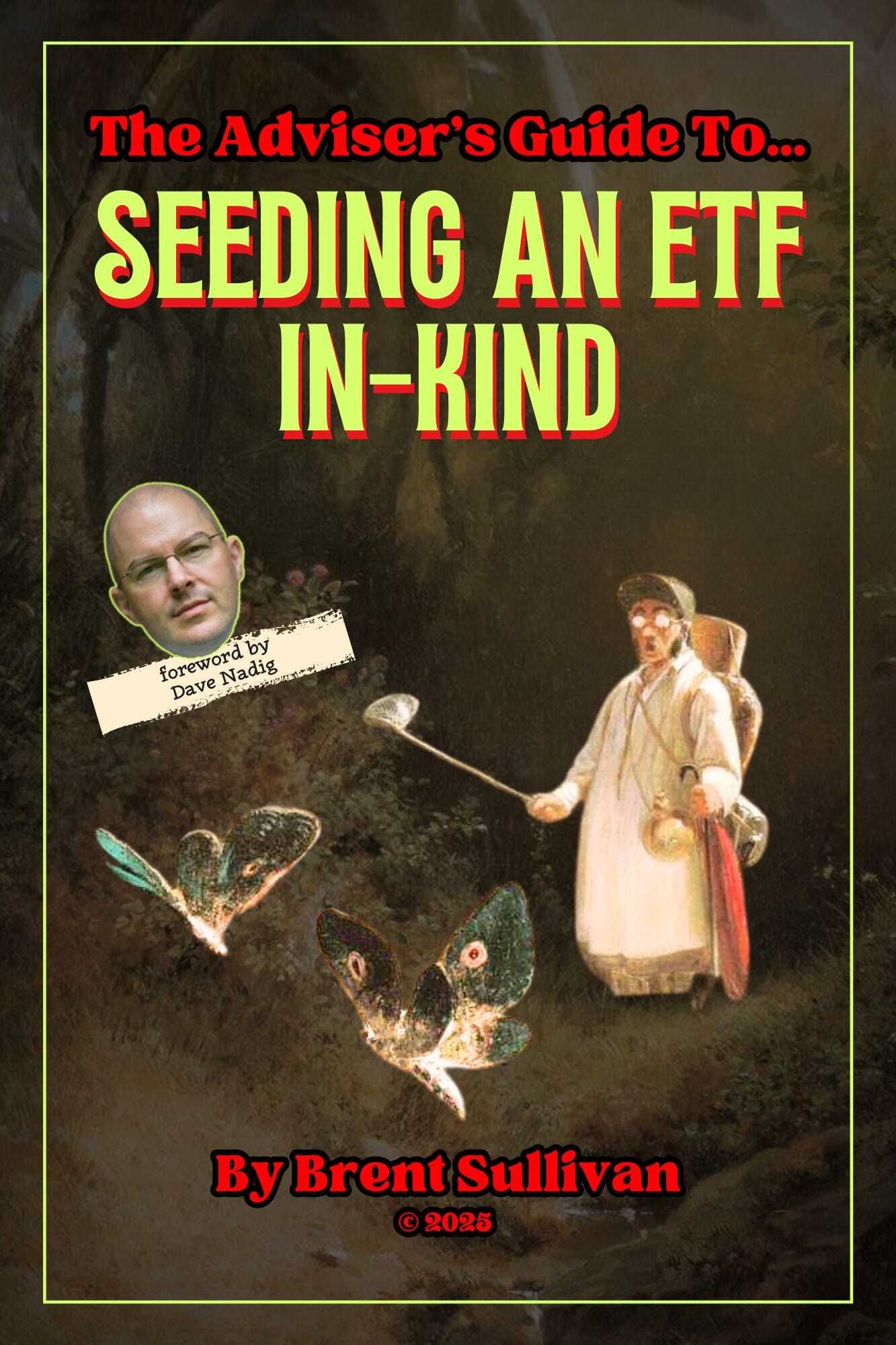 | Offers a crisp and informed look at the intricate process of seeding an ETF with property under Section 351.. For advisors grappling with vehicle structure and tax mechanics, it delivers actionable insights in an accessible, well-designed format. A recommended read for ETF strategists and taxable investors. |
Mike Philbrick
CEO, ReSolve Asset Management
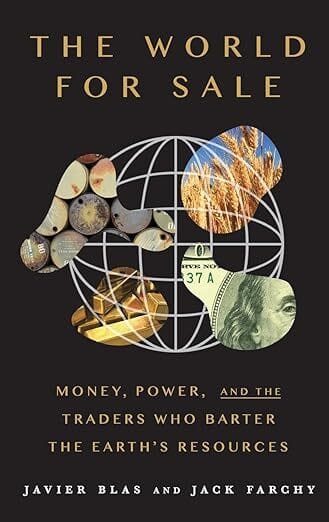 | Though published in 2021, it’s strikingly relevant today amid rising resource nationalism and geopolitical tensions. Most investors remain surprisingly unaware of the shadowy commodity traders who control the flow of oil, metals, and grains—yet these opaque giants shape global markets, supply chains, and sovereignty more than any headline policy. Essential reading for understanding the real power behind the world’s most critical resources. |
Jim Masturzo
Chief Investment Officer, Research Affiliates
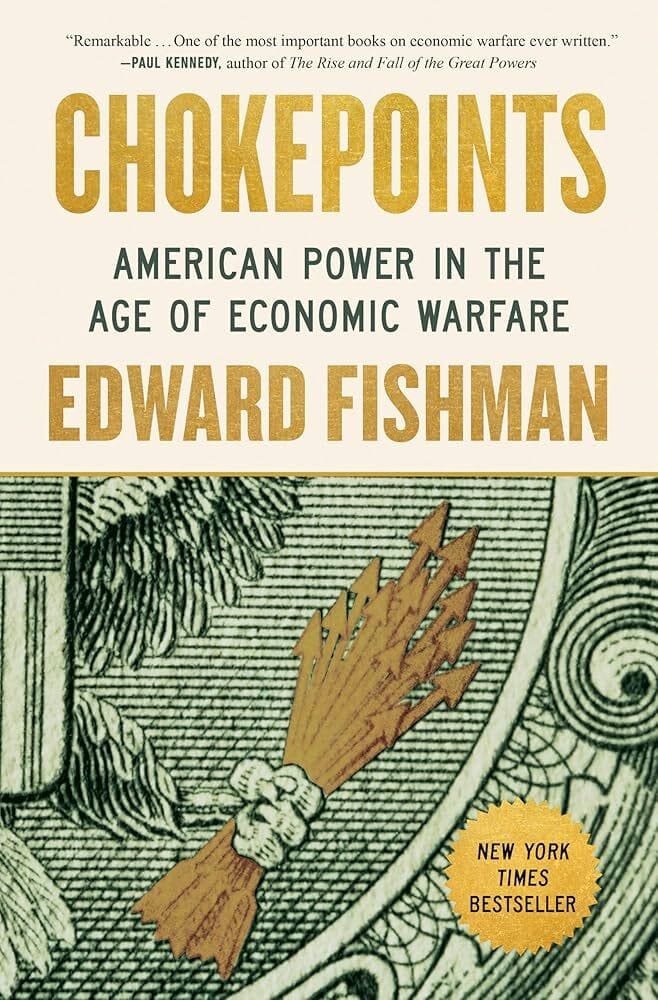 | An insightful retrospective on the United States’ use of sanctions as a tool for economic warfare from Iran to Russia and China. While early use of sanctions was quite basic, policy levers have grown in scope and sophistication. Admittedly, the topic isn’t exactly a page turner, but the author provides a compelling narrative to keep the reader engaged on a topic of continued importance to the global order, and a driving force behind de-dollarization in some countries. |
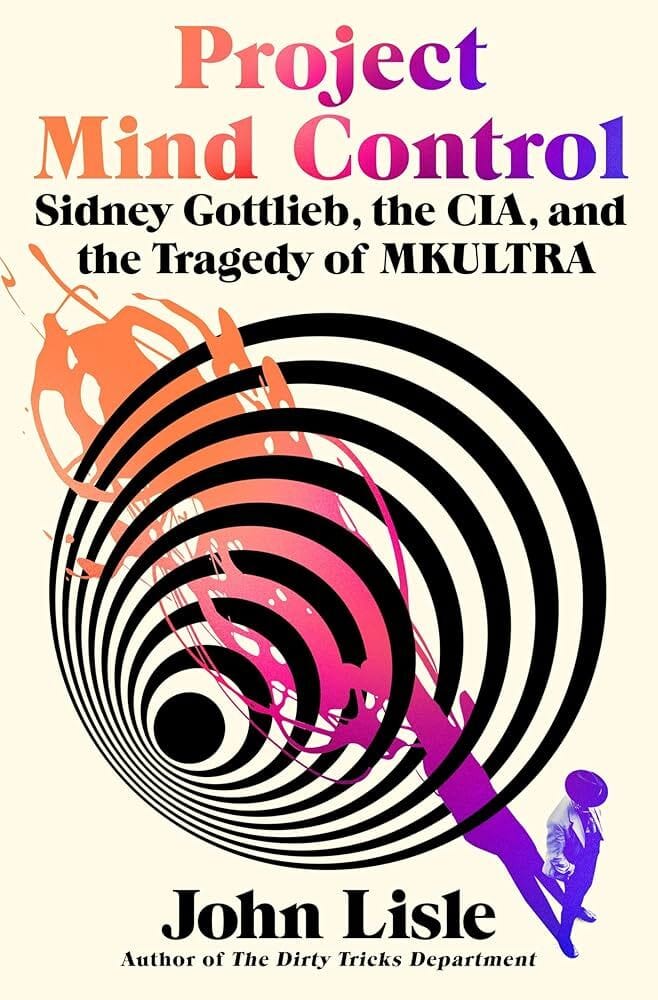 | During the Cold War, the CIA was paranoid that the Soviets were gaining an advantage in mind control, to, among other things, coerce confessions from prisoners and hypnotize individuals to perform actions with no memory. To close the gap, the CIA funded many projects tested on American citizens, often those in mental institutions and/or prisons, as well as dosing unknowing civilians, including CIA colleagues, with LSD. This book offers an alternative perspective on the era of the Red Scare at the height of the Cold War. |
Dave Thornton
Co-Founder, CEO, & Chief Investment Officer, Vested
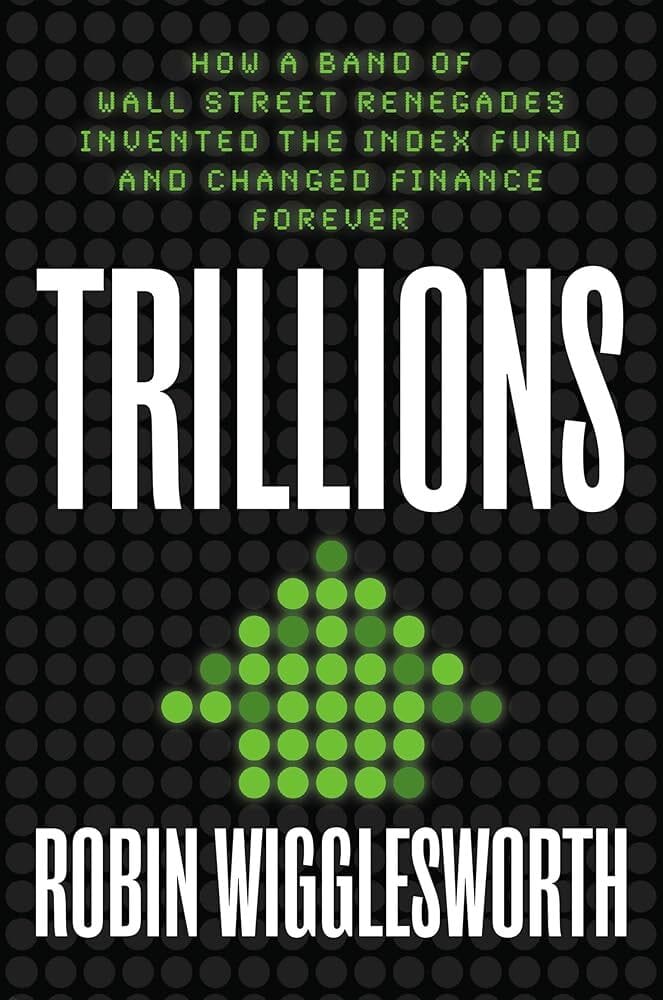 | With the white-hot focus on bringing private markets investing to progressively larger audiences, it's clear that private markets index products are coming. That makes now an excellent time to absorb the lessons from Trillions, which covers how index products took over the public markets. |
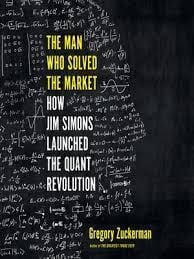 | Jim Simons is the most successful quant ever, with an equally compelling story. It's hard for Vested's partners -- who "fell into" investing and now bring a quant approach to our part of the investing world (VC) -- to feel a [delusionally aspirational] affinity with Renaissance Technologies. That bit of shared DNA, and Greg Zuckerman's excellent writing, made this book total candy. |
Cole Wilcox
Chief Investment Officer, Longboard Asset Management
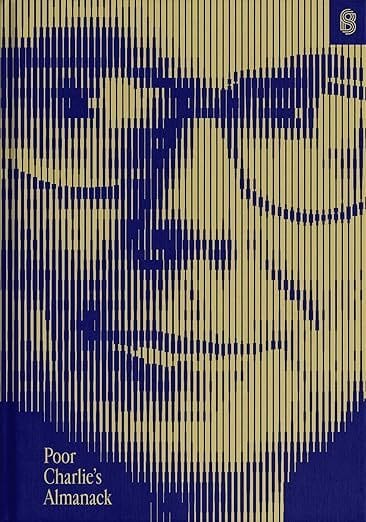 | Is my top book recommendation because it’s a masterclass in rational thinking, distilling the multidisciplinary wisdom of Charlie Munger, Warren Buffett’s polymath partner, into a witty, practical guide for navigating life’s complexities. Packed with ~100 mental models drawn from psychology, economics, physics, and history, it teaches you how to think—avoiding biases, spotting opportunities, and building resilience—making it invaluable for investors, entrepreneurs, and lifelong learners alike. |
Kim Flynn
President, XA Investments
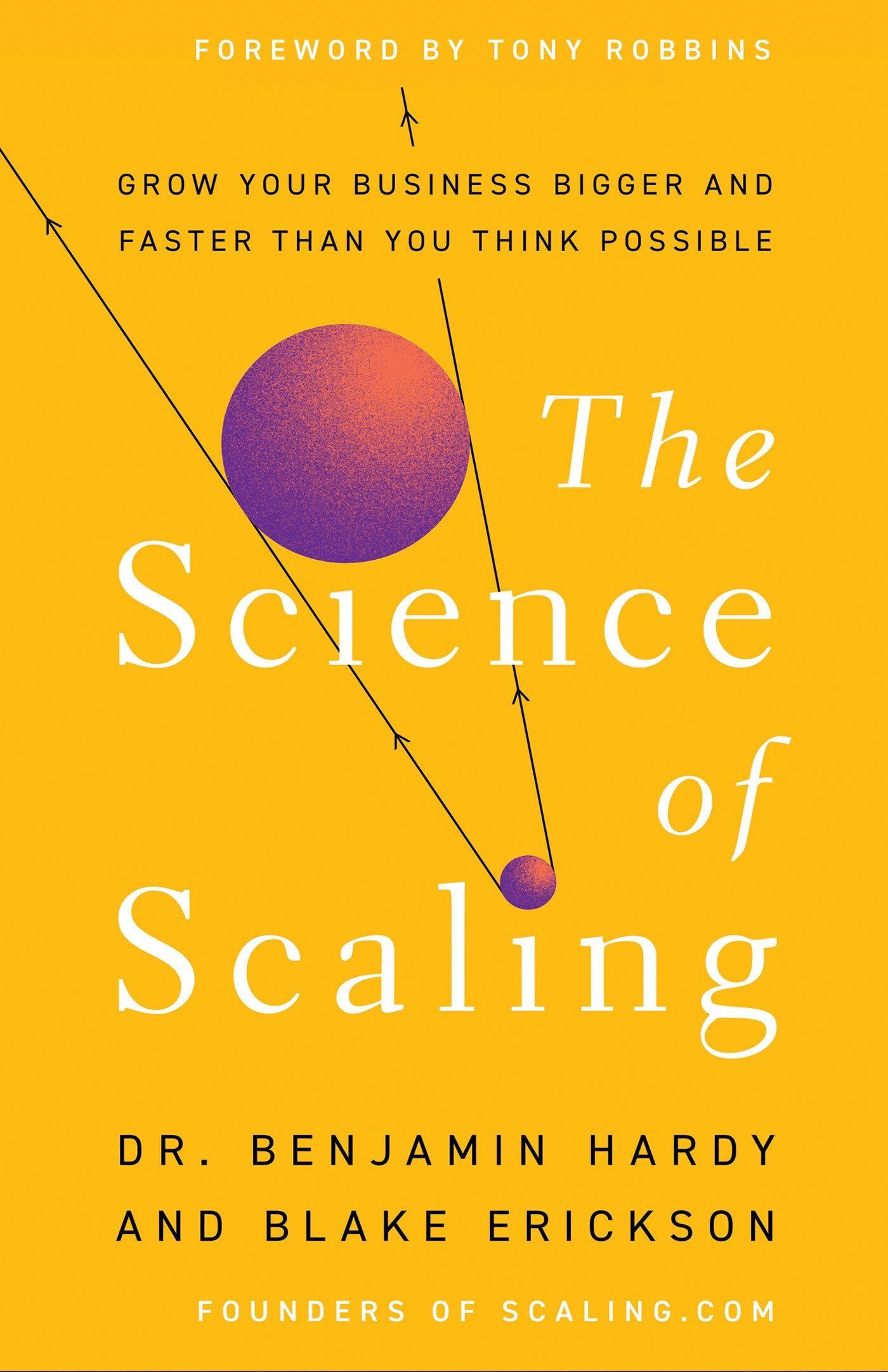 | An entrepreneur’s guide to successfully scaling a business in record time. The book challenges the reader to put scaling concepts into practice with thoughtful exercises and examples. Super fast read. I gave my copy to my business partner and told him it was required reading. |
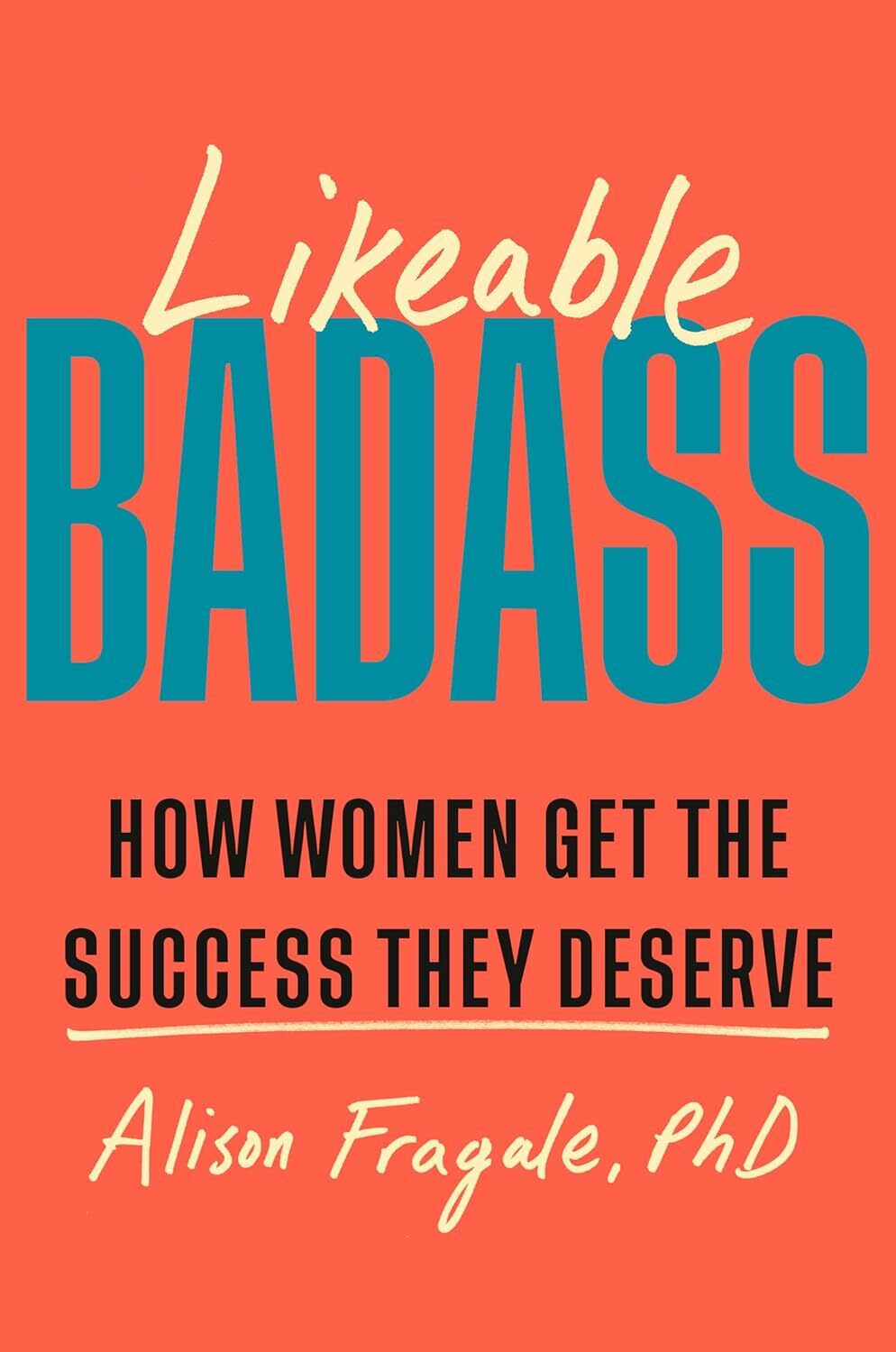 | The author captures perfectly the challenge (and provides solutions) that many ambitious women face in the workplace - especially helpful for women in senior leadership positions. Perceptions and expectations of female leaders by colleagues are often different than those of male leaders. Being a likeable badass is the goal. I took copious notes and circle back to put Fragle’s advice into practice. Checkout the author’s LinkedIn for ideas: http://linkedin.com/in/alisonfragale |
Jacqueline Faber
Author and Freelance Writer
 | Meb and I discussed this book on the podcast, so it's only fitting to include it here. While it's a book about the radical transformation of Eleven Madison Park into the best restaurant in the world, it's really about exceeding expectations in innovative and playful ways. Anyone would benefit from a read, whether you're launching a new business, revamping an existing one, or just looking for ways to build your personal brand through meaningful details and memorable touches. |
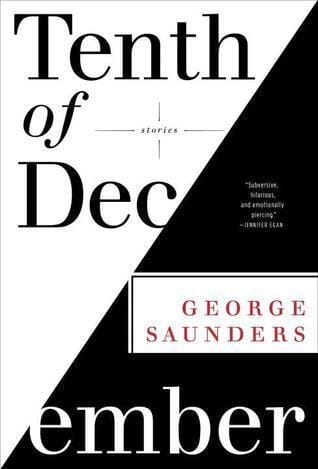 | Named a Best Book of the Decade, this is George Saunders at his best. On the surface, the stories are hilarious, entertaining, and fresh. But underneath, each one is a gut punch...in the best possible way. They leave you asking questions and pondering existence. From the hilarious, then quietly-anguished story "Sticks" to the small yet enormous heroism of "Victory Lap," these stories are rooted in humor, humanity, and our infinitely intriguing imperfections. |
Alex Morris
Co-Founder and CEO, F/m Investments
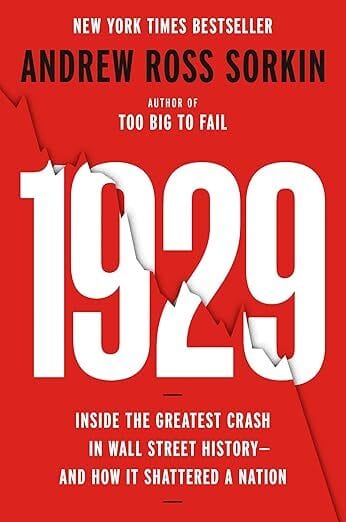 | Yes, this will be in everyone's list. It gets a vote because it deserves it. The just good story telling, including some facets long forgotten or never known, is not actually the reason to read it. What is: If you take the first 150 pages, you only need to jumble a handful of the characters' names, a few of the places and addresses, and nearly none of the intuitions, you might not be able to distinguish 1929 from 2025. There are some structural differences that make it allegory and not mimicry, but the remaining similarities are eerie. |
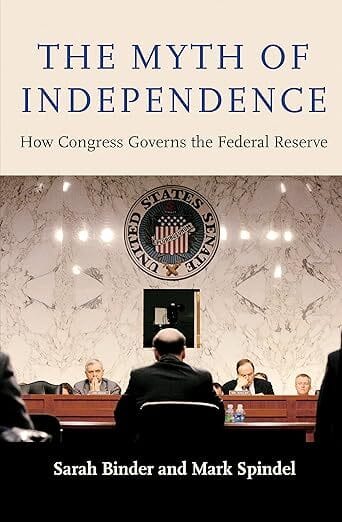 | Talking my colleague's book here, literally, but now more than ever the Fed's role in our democracy is under attack with changes likely. Oddly enough, the first discovery is in the title... How Congress Governs. Yet all the debate today is about how the Executive branch is calling the shots and maybe setting rates directly. A great look into the history of central banking, the four (yes, four) American Central bank iterations, and foundation for considering the future. |
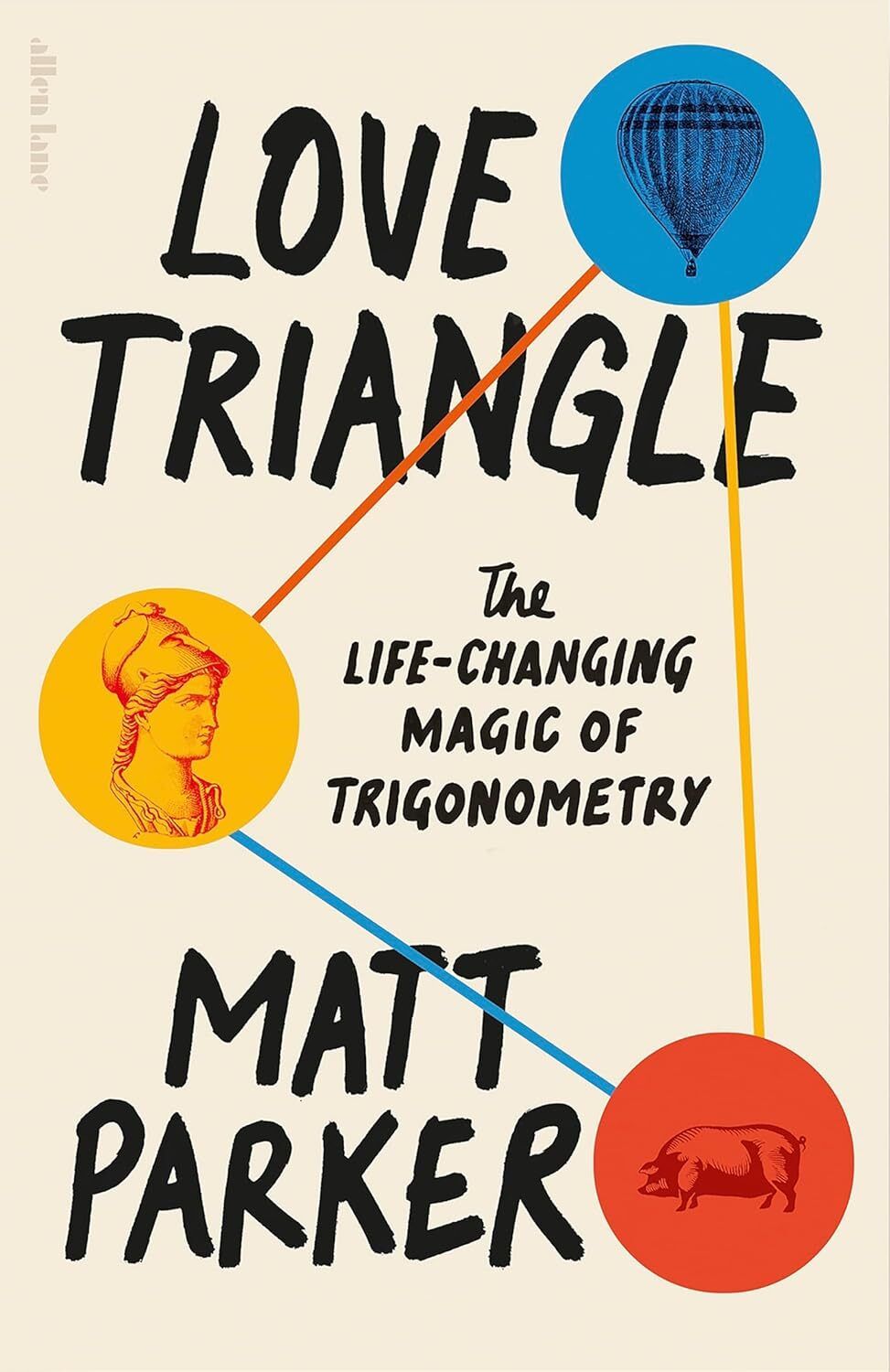 | It's a book about math, from stand-up (think comedy) mathematician Matt Parker. Approachable and engaging, it overcovers how math in real world perspective to good amusement. Sure, you do not need to know why a duck's wake forms at 39 degrees, and it won't make you popular at cocktail parties, but at least you'll know. |
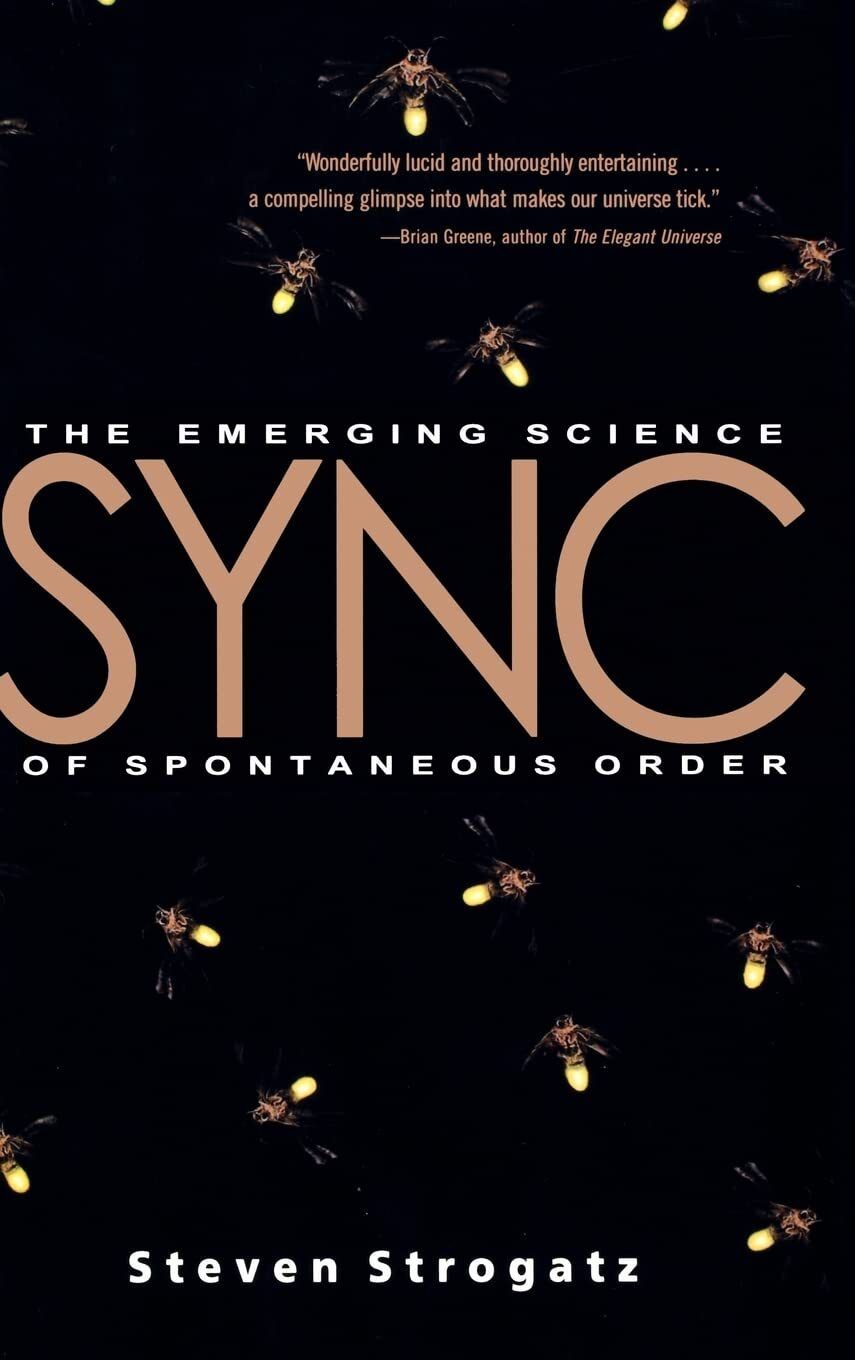 | Re-read here, and worth it. Steven Strogatz solved small world theory (i.e., 6 degrees of Kevin Bacon, etc). In synch he outlines the surprising math and abilities of nature to order itself, notably, how that order is reliable. Driven by anecdotes, a well written book that makes the seemingly impossible understandable. (Full disclosure: I had the good fortune of being Strogatz's student, even adjusting for that bias, this still olds). |
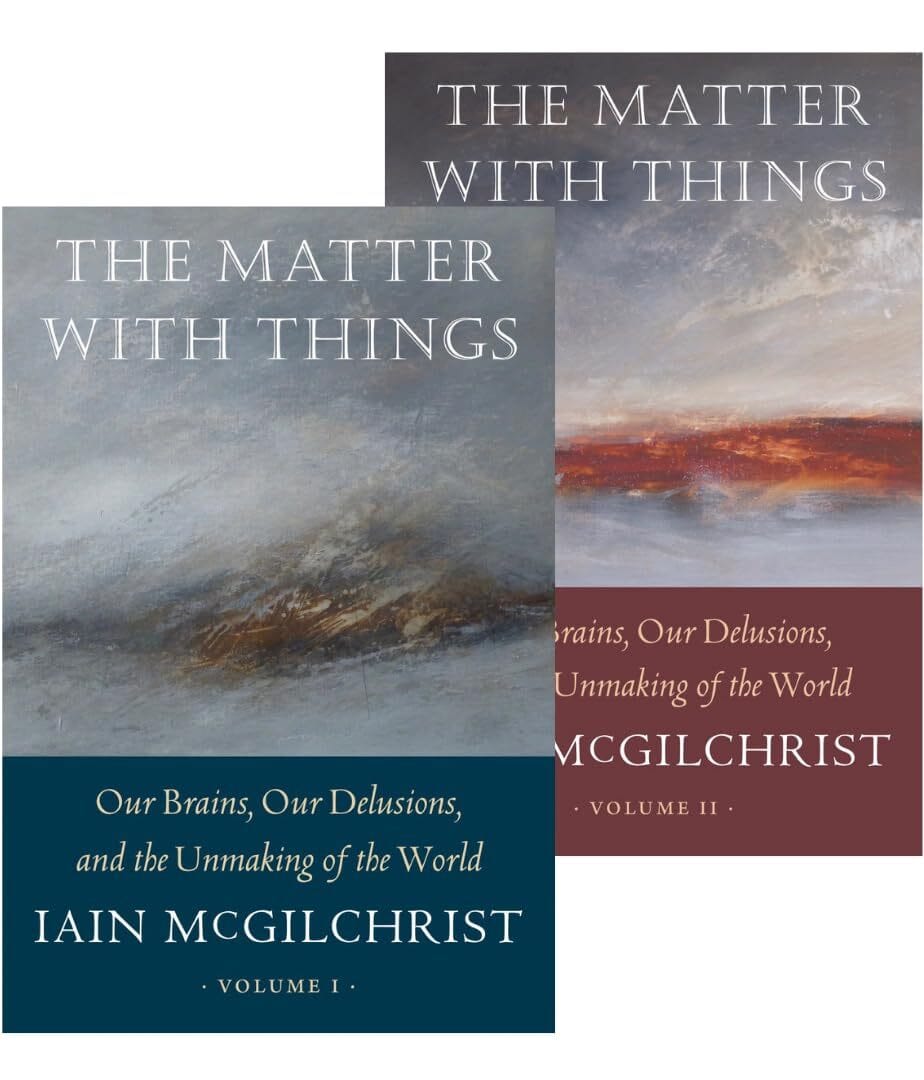 | The Matter With Things: Our Brains, Our Delusions, and the Unmaking of the World by Iain McGilchristOk, this is a big one. Literally. It is a two-part set coming in at 1,500 pages and about 7 pounds. It's not a summer spy-thriller page turner, but it's something to take in (many, smaller) chunks when you want to question "who are we" ? You may not agree with all its answers (I do not) but it forces re-centering thinking which is always good. If nothing else, it is a handsome book for the shelf. |
Rob Arnott
Founder and Chairman, Research Affiliates
 | In a world awash in pessimism and bad news, this is a refreshing review of everything that’s right in today’s world. Existential poverty (below $2/day) is down 80% in the last 30 years. We’re living longer, healthier and safer than ever before in history. Forest lands are expanding, not shrinking. Water and air are getting cleaner, not dirtier. And so forth. This is my go-to gift for friends who are depressed about the world around them. |
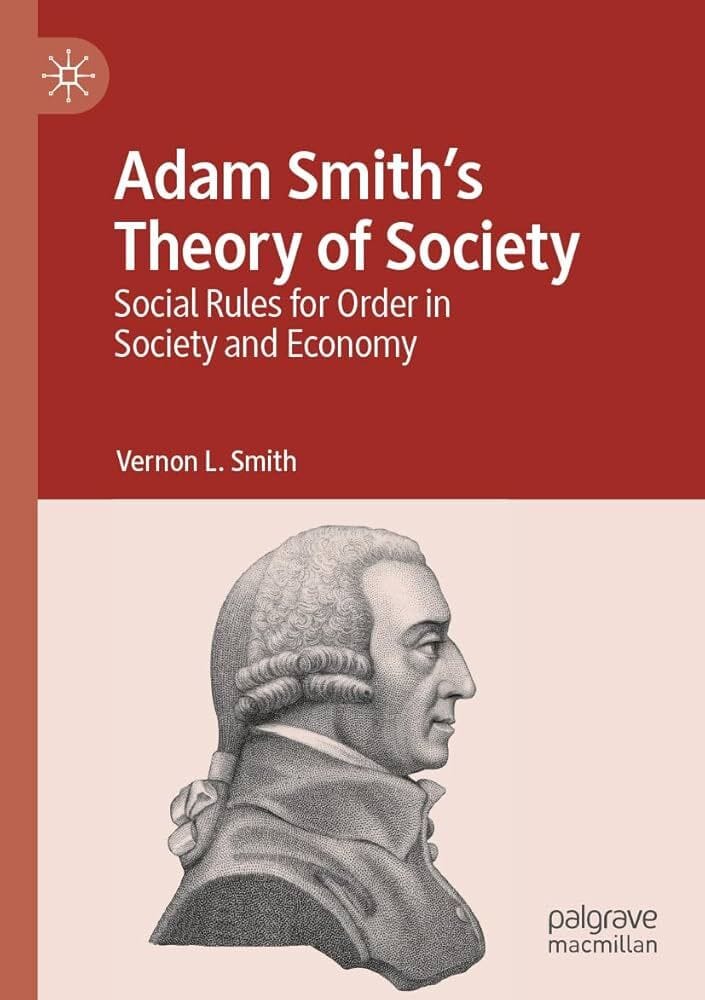 | Who writes a deeply insightful new book at age 98? Vernon Smith does. This is a reexamination of Adam Smith’s Theory of Moral Sentiment (TMS), a work that was overshadowed by Wealth of Nations, but was (in Adam Smith’s view) a far more important work. Adam Smith studies the question: Why do people born utterly and singularly self-interested grow up to show kindness, empathy and respect? We can’t understand Wealth of Nations properly without first studying TMS. Vernon takes on the task of making this difficult book more accessible for the modern reader. |
 | A river is two feet deep on average, but 10 feet deep at its deepest. Not safe to cross. The world is full of examples where averages can prompt us to make stupid choices. |
 | A study of the personality types that survive disaster. |
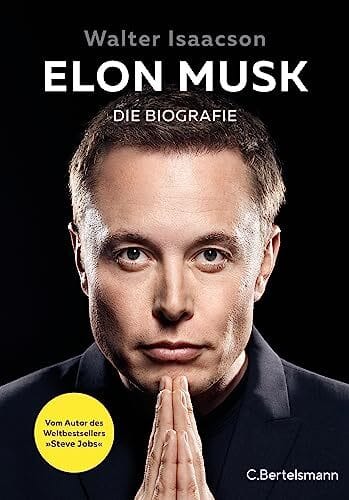 | Not hagiography, but a respectful examination of the world’s richest man, exploring his personal history, and the peculiarities in his thinking that have helped facilitate his rise. |
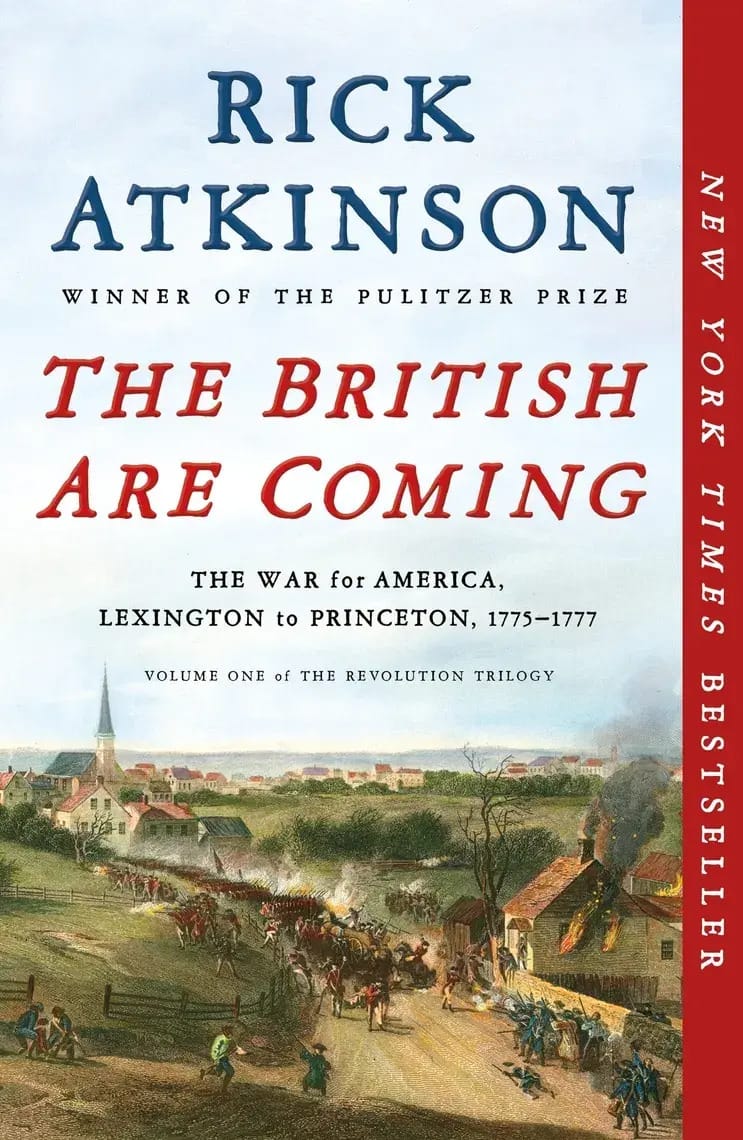 | The first of a trilogy that seeks to be the definitive history of the American Revolution. Atkinson has a knack for bringing historical figures back to life, with vivid personalities. Plus, he doesn’t take sides. |
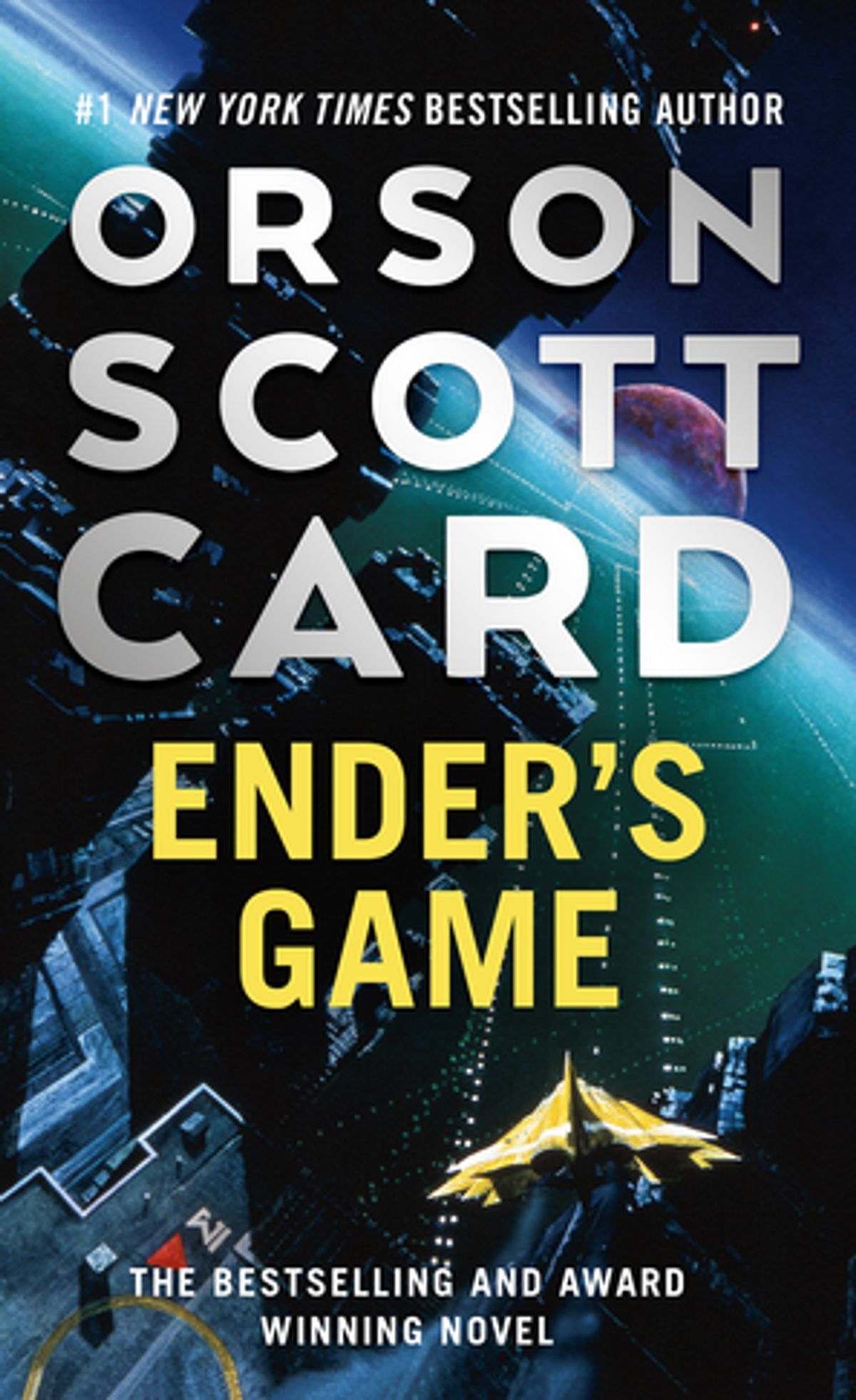 | Along with its four sequels, this quintet of books is a masterpiece that anticipated today’s world of computer gaming. A young boy is recruited to a school, where computer games are the essential activity, and he excels well beyond all expectations. Minor spoiler alert: He’s being trained to defend planet Earth against a coming alien invasion. |
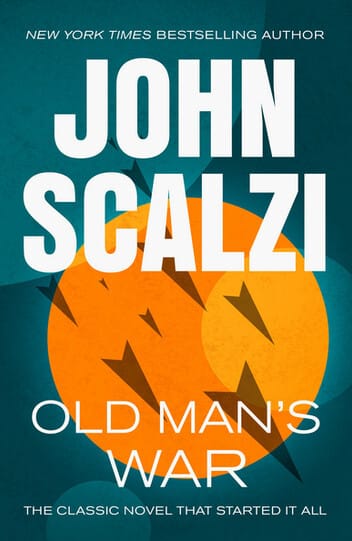 | Another War of the Worlds theme. Humanity recruits old people, because of their experience, their wisdom, and their expendability, to fight a galaxy-wide war |
Meb Faber
Founder and Chief Investment Officer, Cambria
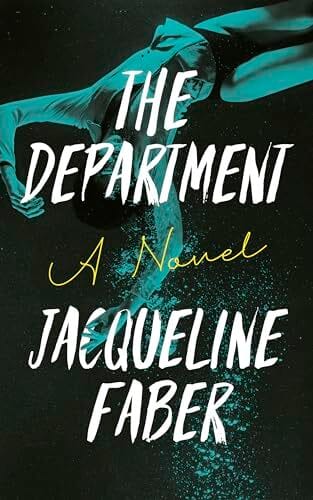 | A gripping, character-driven debut by Jacqueline Faber that is a page-turning political thriller. And yes, I’m biased—but it’s damn good. |
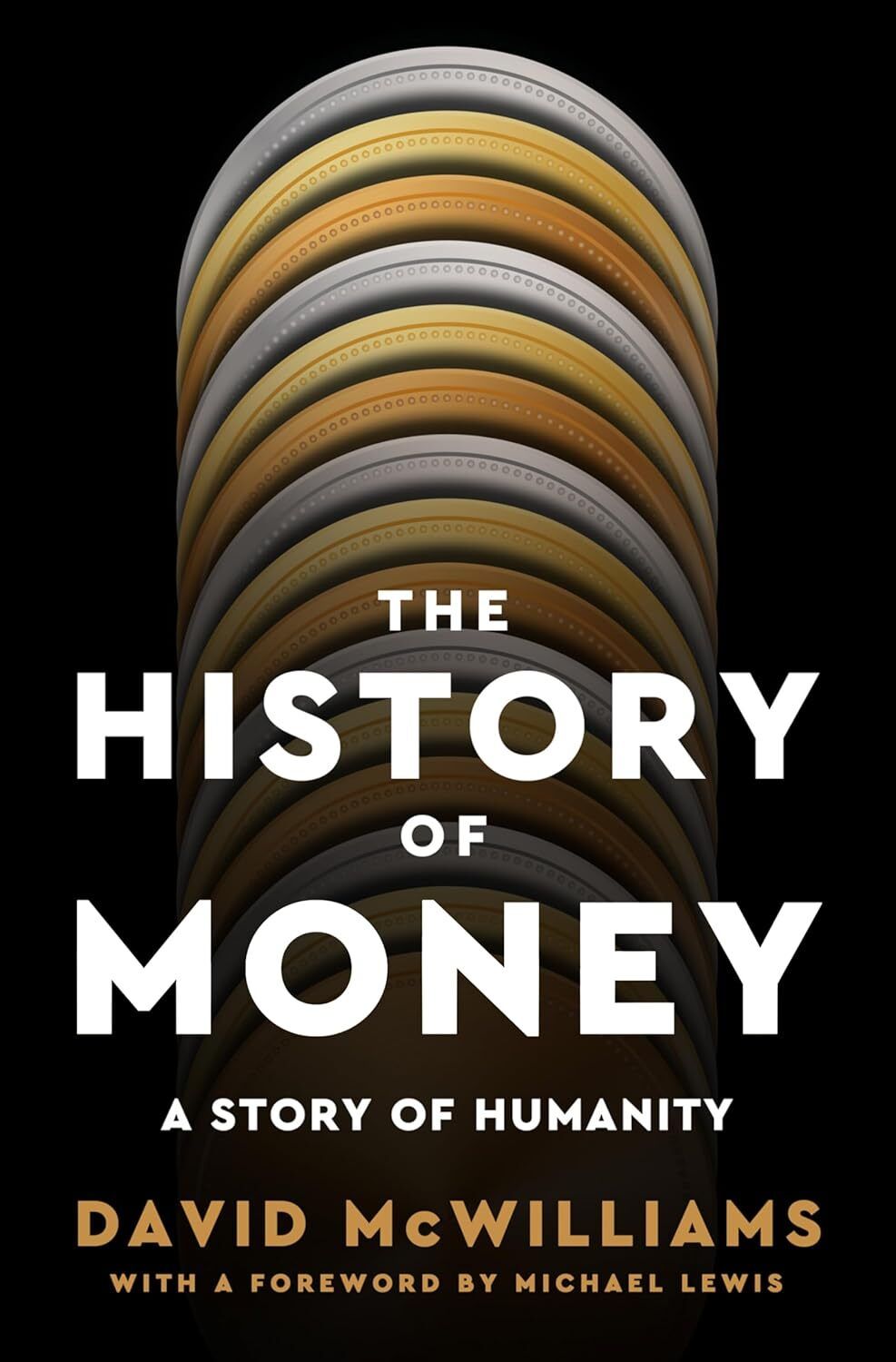 | A wildly entertaining crash course in the history of money, power, and politics, told with David McWilliams’ signature wit and clarity. If you’re curious how we got from gold coins to crypto chaos, this is your jam. |
| | |